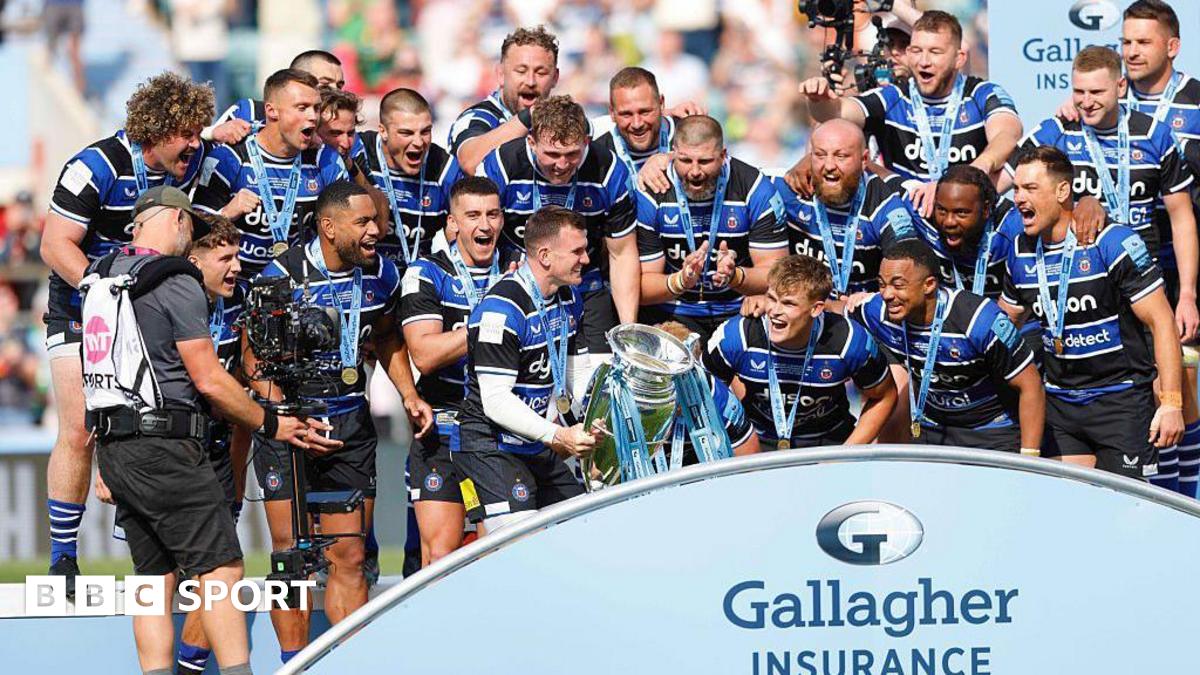

Prem Rugby is on track to generate more than £200m in revenue next year as it works to counter the threat from the proposed R360 competition. A financial report due for publication this month, seen by the BBC, shows the league has reduced ‘‘collective underlying losses’’ by 44% and is recovering from a period of financial strain. Average player salaries have climbed above pre‑Covid levels to about £192,000, up from £177,000 in 2019.
The improved financial picture has arrived amid warnings from R360 founders that the current club model is ‘‘unsustainable’’. Earlier this year some major investors described the club game as ‘‘fundamentally flawed’’ and expressed concern that other teams could follow Wasps, Worcester and London Irish into administration.
There have also been encouraging signs for the Premiership: Newcastle’s takeover by Red Bull, rising ticket sales and TV audiences, and a lucrative new professional partnership with the Rugby Football Union. The Financial Monitoring Panel, which oversees the league’s finances, expects revenues to top £200m next year for the first time since the league moved to 10 teams and forecasts three clubs will break even by 2026. While operating costs have been kept largely flat and losses reduced through higher revenues and cost control, third‑party debt remains around £100m, roughly 70% of which is owed to the Department for Culture, Media and Sport following Covid bailouts in 2020.
Prem Rugby chief executive Simon Massie‑Taylor said the league is on a positive financial trajectory, with growing fan interest and further commercial opportunities to pursue. He stressed the league’s ambition to remain competitive globally while maintaining financial controls and strategic investment.
R360, planned to launch next year and fronted by Mike Tindall, former Bath player and coach Stuart Hooper, and sports agent Mark Spoors, proposes a global competition featuring eight men’s franchises and four women’s teams aimed at attracting top players. Although R360 says its calendar would fit around international duties, national unions have moved to ban selection for anyone who signs up to the breakaway league.
High‑profile players have reinforced the status quo: France captain Antoine Dupont re‑signed with Toulouse, and several leading England players have renewed deals with Premiership clubs to protect their national‑team eligibility. Lock Alex Coles — who started England’s 38‑18 win over Fiji — signed for Northampton alongside Fin Smith, Fraser Dingwall and Tommy Freeman. Coles said his priorities are to continue playing for England, push for a World Cup squad place and compete domestically and in Europe, factors that removed any appeal for joining the rebel competition.