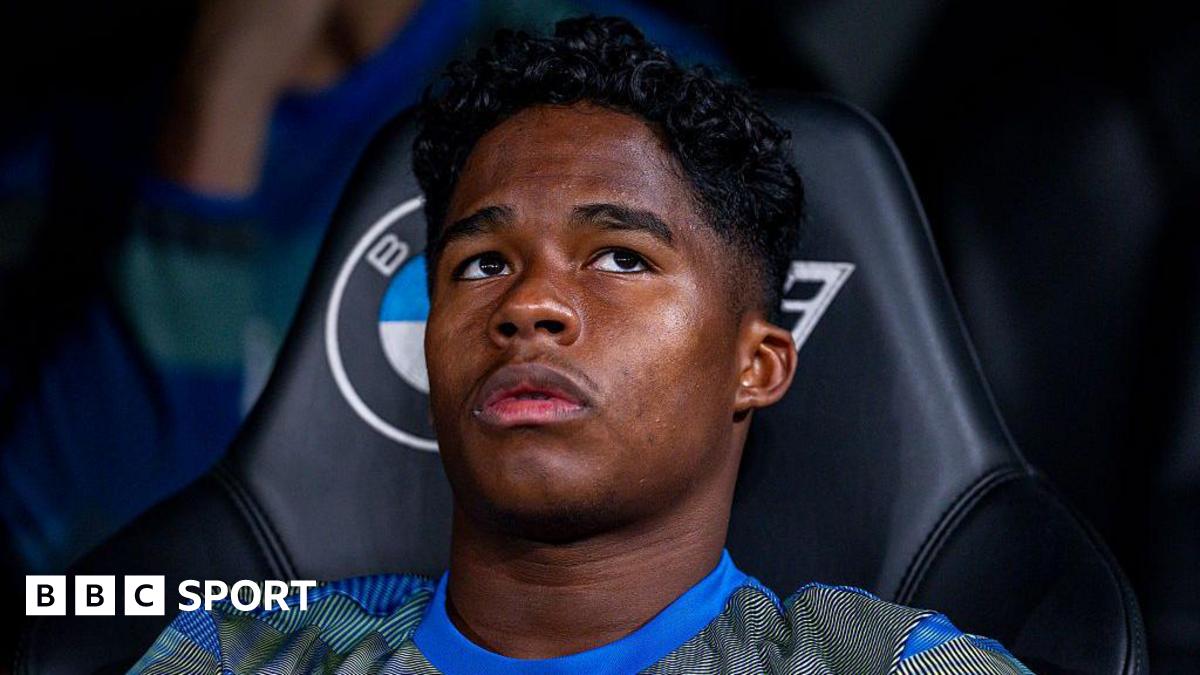

Endrick arrived at Real Madrid in July 2024, shortly after turning 18, following a transfer agreed with Palmeiras 18 months earlier. Expectations were huge: Brazil’s next superstar and a new Galáctico. He showed promise in his debut season — 37 appearances in all competitions (mostly from the bench), seven goals and clear finishing ability — but his minutes were limited, totalling just 352 in La Liga as Real used him mainly as a late substitute.
Progress has since stalled. A hamstring injury in May ruled him out of the Club World Cup and a recurrence delayed the start of his following season. Under new coach Xabi Alonso he has found opportunities scarce: this term he has featured only once for around 14 minutes, and he has been left out of several recent Brazil squads, leaving his international standing under threat as other young Brazilians rise.
Why the slowdown?
Alonso appears to value players who contribute to build-up and link play across the front line, which has reduced Endrick’s chances compared with teammates seen as more rounded attackers. Observers note that while Endrick’s finishing is a major strength, he still needs to improve his all-round game to win a regular starting role. At 19, he is still developing tactically and physically, and intermittent injuries have disrupted the momentum he showed on arrival.
Loan discussions and development needs
Real Madrid have not yet decided on a permanent plan but are increasingly open to a January loan. The club’s priority is clear: Endrick needs regular senior minutes to continue his development and to remain in contention for Brazil selection, particularly with major international tournaments on the horizon. Endrick himself is settled in Madrid and believes staying could help his adaptation to European football, but the lack of game time has changed the calculus.
A loan would aim to offer him consistent starts and responsibility at a high level; it’s been suggested that a successful temporary move could return him to Madrid ready to compete for a bigger role. Conversely, a poor loan could dent confidence and reduce his market value — a real concern given Madrid’s significant outlay on the teenager (reported up to €72m / £63m).
Likely destinations
Clubs across Europe and the Premier League have been alerted to his potential availability. Lyon have shown concrete interest; observers say a move there could be sensible because it would combine regular league minutes with Europa League football. Interest from England has been reported — West Ham among them — but the Premier League’s physical style and relegation battles may not be ideal for a young striker who needs time to refine his game. Chelsea tracked him previously but currently have many forwards, and Aston Villa’s reported interest may be complicated by changes in their sporting structure.
Stay or go?
Those close to Endrick see pros and cons. Staying at Real offers elite training, familiarity and the chance to impress Alonso in a top environment, but game time is limited. A loan promises regular minutes and greater responsibility, which could accelerate development and national-team prospects, yet carries the risk of poor form away from the club’s support system.
Real’s hierarchy will weigh immediate development against protecting a major investment. The club initially resisted a loan, but limited minutes could force a rethink in January. Ultimately, the decision will hinge on whether Alonso gives Endrick more first-team opportunities in the coming months or the player and club agree a temporary move that best serves his long-term trajectory.
Outlook
Endrick is still very young, and the next eight months are important but not decisive for his career. The immediate choice — fight for minutes at Real or seek regular football elsewhere — will shape his short-term progress and international prospects, but there is time for him to grow into the player many expect him to become if he finds the right pathway now.