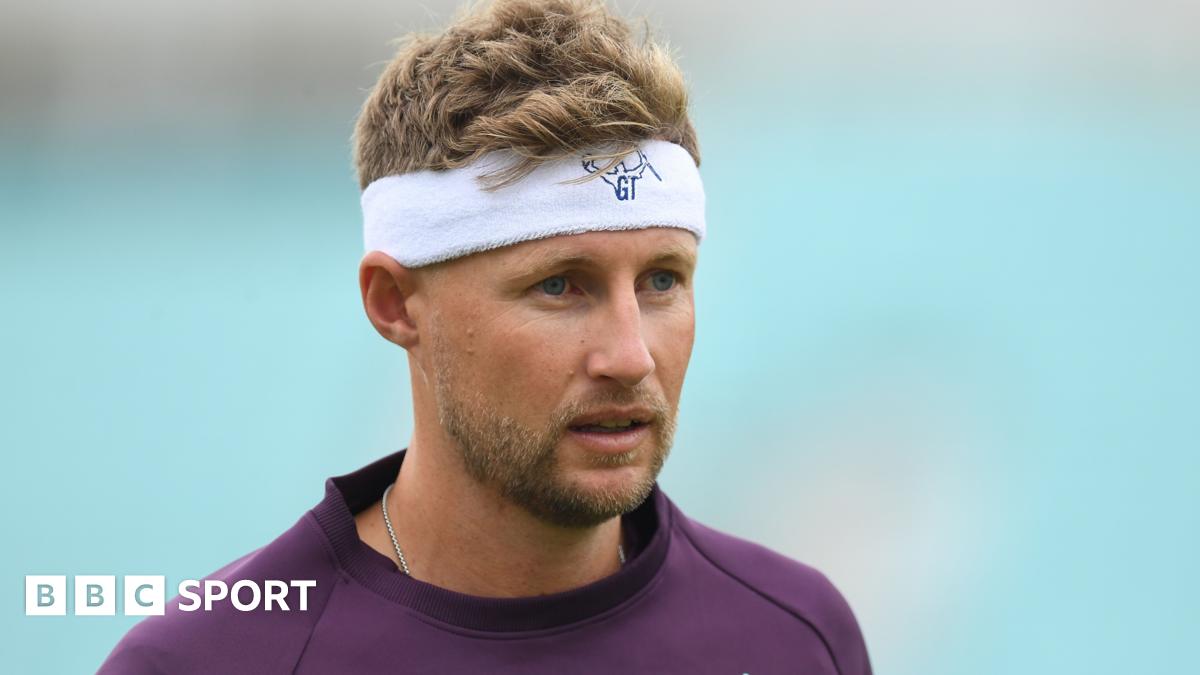

Joe Root has done almost everything in red-ball cricket — all but one thing that has become a recurring headline: he still has not scored a Test century in Australia.
On paper his record there is respectable. In 14 Tests he has 892 runs and nine fifties, a tally of half-centuries only bettered for England in Australia this century by Sir Alastair Cook and Ian Bell. But his average of 35.68 in Australia is the lowest of any country where he has batted more than twice and that blank hundred nags at his otherwise stellar CV.
Why has Australia proved such an outlier? Part of the answer lies in the way Root constructs his scoring. He accumulates an unusually high share of runs behind square on the off side — a strength in English conditions where the ball tends to stay low and the late glide through third man is a profitable option. On the quicker, bouncier Australian surfaces those same strokes become riskier because the ball can rise more than expected. Former England captains have pointed out that shots which play comfortably in the UK can catch extra bounce down under, turning a scoring stroke into a nick or an edge.
The more revealing pattern is that Root’s problems in Australia have come overwhelmingly against pace rather than spin. Despite facing the likes of Nathan Lyon in several series, his average against spinners there sits around the mid-70s. Against fast bowlers the splits are stark: full-length and good-length deliveries have reduced his average to the mid-20s, while short-pitched balls on the quicker tracks have actually lifted it above 60. In short, when the ball is on a fuller or good length and moving away at pace, Root has been most vulnerable; when it is short, even on lively surfaces, he has often coped better.
The ‘pads as a surfboard’ taunt that started the mind games a few years back was partly theatre. Australia did target his pads in 2017-18 and twice dismissed him lbw that tour, but many of the dismissals since have been from balls that would have missed the stumps. In 2021-22, most of his wickets came from deliveries pitching in that 6–8m zone — the classic good length — seaming away and inducing edges that were then taken between the keeper and gully. Several of those dismissals followed attempts to steer or guide the ball behind square, shots that are more hazardous when the Kookaburra is new and the surface is zippy.
There is also a timing element. Root’s first Australian exposure came in 2013-14, when Mitchell Johnson produced a ferocious series that troubled many batters. Subsequent tours have brought the polished trio of Hazlewood, Pat Cummins and Mitchell Starc. And then there was Scott Boland in 2021-22: across the three Tests in which Boland bowled to Root, he sent down 74 deliveries, conceded 39 runs and dismissed Root four times by probing that fuller length and finding edges. The head-to-head with Boland ballooned Root’s average against him to under 10, yet when Boland toured England in 2023 Root made runs off him without being dismissed. That raises the question of whether the Boland problem was more about conditions and timing than a technical shortcoming.
Another factor often discussed is the weight of captaincy. Root played two Australian tours as England captain and produced eight of his nine Australian fifties in that period. Many of those innings came after long days in the field and months of leadership burden. Fatigue — mental and physical — can blunt a batter’s ability to convert starts into big hundreds. Root has reflected that he is a different player now, freed from captaincy, with more experience and a clearer sense of how to manage his game in specific conditions.
That recent experience is important. Since the change in England’s coaching and leadership setup, Root has been in superb red-ball form: prolific runs and a host of centuries in the years that followed. He has become a slightly more aggressive batter who trusts his instincts rather than overworking technique. Whether that approach will finally convert one of his many Australian fifties into a hundred remains the big question.
So where does that leave him for the next Ashes tour? The numbers point to a few practical targets: be wary of playing horizontal or late-glide strokes to deliveries on a fuller, seaming length early in an innings; prioritize leaving or playing straight when the ball is moving; and rely on experience to manage energy and concentration across long tours. Matchups with particular bowlers will matter too — if Boland-like probing can be handled or conditions blunt his effectiveness, Root’s chances rise.
Joe Root still has the technique, form and temperament to put the final feather in his Ashes cap. The difference between his many fifties and that long-awaited Australian hundred has been a mix of bounce, pace, timing and circumstance. With the role he plays now and the run-scoring behind him, there is every reason to believe that the missing line in his record — a Test century in Australia — could soon be written.