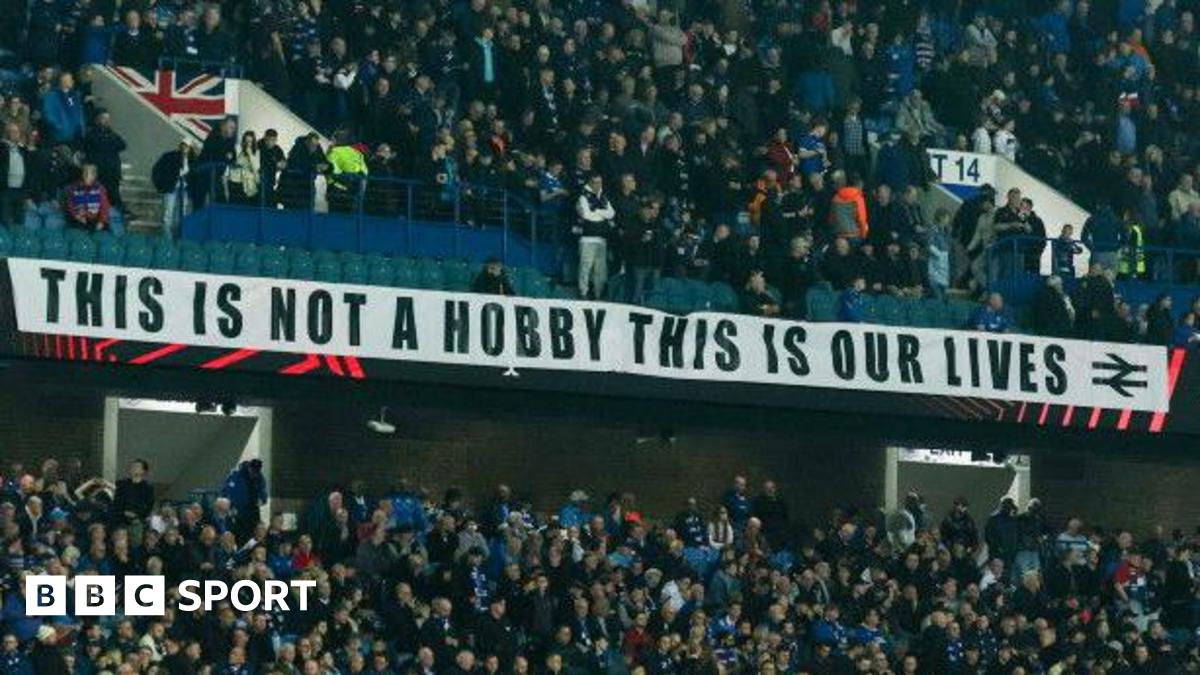

What was billed as a fresh start at Ibrox five months ago has instead become a period of mounting disappointment and unrest. In late May, the arrival of a US-based consortium led by Andrew Cavenagh brought talk of new investment, a change of direction and hopes of a return to the top. The optimism that once filled the stands has been replaced by protest banners and vocal dissatisfaction.
The period since the takeover has been chaotic. A high-profile coaching appointment lasted only 123 days, with Russell Martin departing in dramatic fashion. The search for his successor was no steadier — candidates were linked and then dropped before Danny Rohl, who had previously withdrawn from consideration, re-emerged to take the job. Supporters, furious at results and recruitment, have confronted directors in public spaces and continued to voice their anger inside the stadium.
On the pitch Scotland’s biggest club have struggled in Europe, recording a seventh consecutive continental defeat with a 2-0 loss to Roma at Ibrox. Matias Soule’s early header and a composed finish from Lorenzo Pellegrini exposed defensive frailties, with Rangers rarely threatening to change the scoreline. Rohl made multiple substitutions and tactical tweaks which improved the team’s shape and energy at times, but final balls and cutting edge were repeatedly missing.
Rohl has won twice in his first five matches, and there are small signs of adaptation — he has rotated personnel, altered systems and prompted a response on occasion. Yet those glimpses have done little to ease supporters’ concerns that the squad still lacks quality and cohesion.
Recruitment has been another flashpoint. The consortium promised investment, and money has arrived, but its impact is questioned. Several new signings have been brought in for significant fees, while established contributors have departed for large sums. The most visible examples — a forward signed from Everton who has struggled to score, and other arrivals whose influence has yet to meet expectations — have provoked uncomfortable debates about value for money and squad balance. Former club figures and pundits have warned that rebuilding may require more than one transfer window and that January will be a difficult period to reshuffle a squad under pressure.
Chief executive Patrick Stewart and sporting director Kevin Thelwell have been targeted by fans’ ire, with banners and chants calling for answers. Their positions have become exposed now that Martin is no longer the main focus of criticism; supporters expect swift improvements and view results as the only remedy to quiet discontent.
Domestically, Rangers still have work to do but the season is not over. They sit only five points behind Celtic, although the gap to other rivals is larger, and recent cup fixtures have shown both resilience and vulnerability — a League Cup semi-final defeat to Celtic in extra time, where Rangers played much of the match with 10 men, was a bitter pill. There have been brighter moments too: wins away from home and hard-fought performances that suggest the squad can be stubborn and competitive when it clicks.
Rohl has spoken of his belief that the team can be turned around and pointed to players’ desire to respond. But with fan patience thin, heavy scrutiny on transfer policy and the board under fire, the new dawn envisioned in May feels distant. If the club’s leadership wants to restore trust, tangible progress on the pitch and clarity in the transfer market will be required quickly — otherwise the coming weeks could bring even tougher tests.