The wait is over. After nearly six years and four failed semi-finals, Arsenal’s 4-2 aggregate win over Chelsea in the Carabao Cup semi-final has taken them back to a major final.
It will be the club’s first final under Mikel Arteta since the 2020 FA Cup and only his second overall at the helm. The victory — sealed by Kai Havertz’s injury-time finish that sent the Emirates into euphoria — carried weight beyond the scoreboard. In a match where both sides managed only two shots on target, Arsenal’s defensive organisation and composure stood out, and the relief among players and fans was obvious.
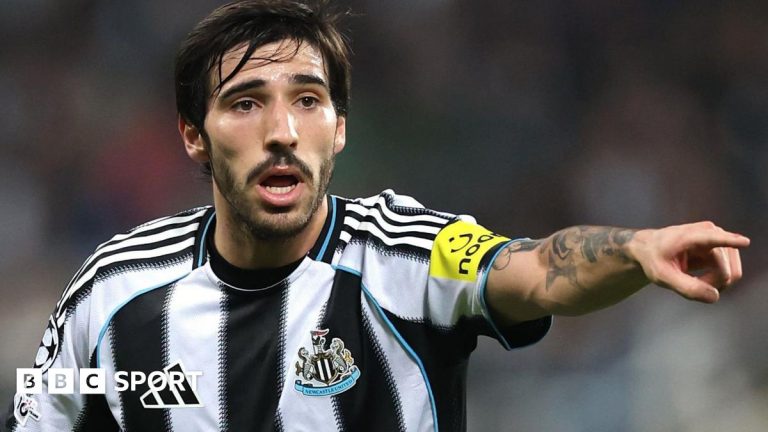
Arsenal will contest a ninth EFL Cup final on Sunday 22 March against either Manchester City or Newcastle. If it is City, it will recreate the 2018 final, a defeat for Arsenal when Arteta was still part of Pep Guardiola’s coaching staff. Beyond avenging that loss and chasing their first League Cup in 33 years, the final is an opportunity to shift perceptions about a team long labelled as ‘nearly men.’
Arteta captured the mood afterwards, pointing to the atmosphere at the Emirates and the value of moments like this. He described the occasion as a reward for hard work and togetherness, and said the players will savour the experience even as they prepare for the busy schedule ahead.
Midfielder Declan Rice was equally clear about the squad’s mentality: having come close in recent campaigns, Arsenal now carry an added desire to go one step further in every competition. “We deserve it,” he said, acknowledging past near-misses but signalling a renewed hunger.
The semi-final win matters for more than the immediate joy. Since lifting the FA Cup in 2020, Arsenal had lost four semi-finals without winning a single leg in those ties — a run that helped fuel the ‘nearly men’ label. Breaking that pattern by closing out this tie could deliver a significant psychological boost, especially if followed by silverware in March.
Former Arsenal defender Matt Upson told BBC Radio 5 Live that the progression is the payoff of a long-term build: Arteta has been laying foundations, establishing an ethos and a togetherness that now looks ready to produce trophies. Upson stressed how important it is for the supporters and club to claim serious silverware after years of coming close.
Defender William Saliba summed up the internal pressure and ambition: a big club always faces expectation, and the squad and coach believe they have what it takes to chase multiple competitions across the remainder of the season.
That belief is not without precedent. Pundits such as Jamie Redknapp have argued Arsenal look ready to win and that lifting the Carabao Cup could relax the group, allowing them to play with more freedom and potentially target further honours. Arsenal sit six points clear at the top of the Premier League, are through to the Champions League last 16 after a perfect group stage, and have an FA Cup fourth-round tie at home to League One’s Wigan to navigate.
While talk of trebles and quadruples is premature — there’s still a long way to go across all competitions — history shows cup momentum can feed league performance. Seven of the last 12 EFL Cup winners went on to claim at least one other trophy in the same season. Since 1960 there have been only a handful of trebles and no English side has ever completed a quadruple, but examples exist of clubs coming close: Liverpool’s 1984 treble, Manchester City’s domestic successes in recent years, and Manchester United’s 1998-99 treble.
Arsenal’s own history provides mixed perspective. The ‘Invincibles’ dominated the 2003-04 league campaign but fell short in the League Cup semi-finals, demonstrating how demanding sustained success can be across multiple fronts.
Arteta is unlikely to discuss quadruples — and the squad know the season is far from decided — but the Carabao Cup final gives Arsenal a clear chance to change the narrative. Win in March and the label of perennial runners-up will be harder to justify; even reaching Wembley and showing they can close out a semi-final feels like progress after years of near-misses.
For now the focus is simple: one final at a time. But with league form, Champions League progress and a busy domestic schedule, the next month could be pivotal. A trophy in March would not erase past disappointments, but it would be a major step toward convincing neutrals and fans alike that Arsenal no longer exist merely on the edge of greatness — they are ready to claim it.