
Autumn Nations Series: Ireland v Japan
Venue: Aviva Stadium, Dublin Date: Saturday, 8 November Kick-off: 12:40 GMT
Coverage: BBC Radio 5 Sports Extra 3, BBC Radio Ulster and BBC Sounds; live text on the BBC Sport website and app
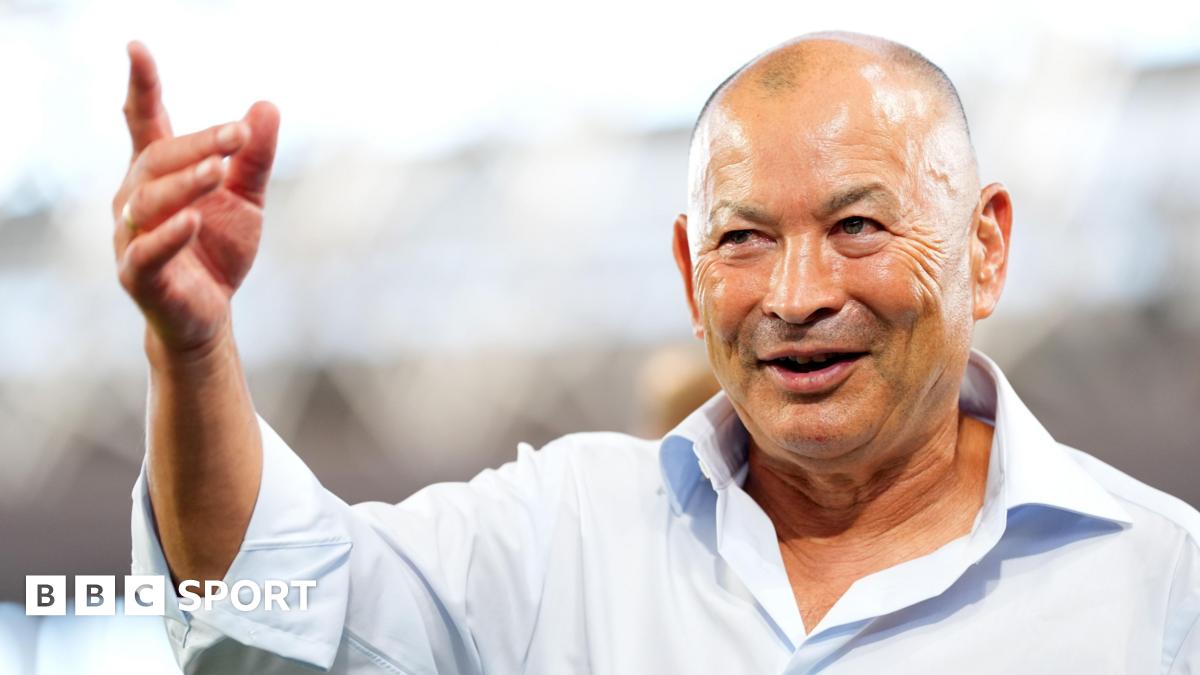
When Eddie Jones speaks about rugby people tend to listen. From his shock-led run with Japan in 2015 to his trophy-strewn but turbulent time with England and two spells in charge of Australia, Jones has three decades of coaching experience and strong opinions about the game’s future.
Speaking on the Ireland Rugby Social podcast ahead of Japan’s trip to Dublin, Jones laid out a sweeping diagnosis and a set of remedies he believes are needed to protect and grow the sport. At the heart of his argument is money, calendar congestion and a need to make the product more attractive to modern sports fans.
Jones says the professional era has reached a tipping point: more international windows, more Tests and higher player pay are squeezing the domestic game. If international commitments expand to roughly 22 weeks, he asks, how can domestic competitions remain strong across the remaining year? His preferred solution is a major realignment: smaller, synchronized domestic top leagues — he imagines 10-team competitions all playing in the same windows — followed by a Club World Cup-style tournament as a season finale.
That kind of change, he admits, would require substantial agreement across World Rugby and the sport’s stakeholders, but he believes it is necessary to create financial stability and clearer pathways for fans.
Jones also wants fresh formats designed to attract new audiences. Pointing to cricket’s Indian Premier League as an example of how franchised, fast-paced tournaments can boost revenue and reach, he floated the idea of a domestic ‘hybrid’ game. That could be an IPL-style short competition, perhaps 12-a-side or another modified format, aimed at delivering quicker, more exciting matches to draw casual viewers while leaving the traditional competitions intact.
He was cautious about some proposals already in the marketplace, such as the suggested R360 league. Jones said such ventures likely have deep pockets but questioned whether they would immediately attract elite players or simply become destinations for retired stars chasing money and entertainment. If such competitions survive and evolve, he conceded, they might add something different to the game.
Officiating and match flow were other major concerns. Jones argued the television match official is ‘killing the game’ by introducing too many stoppages and disrupting momentum. He highlighted the controversial red card shown to Tadhg Beirne in Ireland’s loss to New Zealand in Chicago as an example of how TMO interventions can undermine the spectacle and create unfair moments.
To restore flow, Jones proposed tightening the TMO remit: limit intervention to goalline decisions and potential red-card incidents that were missed in real time. Otherwise, leave calls to the on-field referee and accept the occasional human error. He said the sport should instead invest more heavily in referee development, and warned that over-reliance on stoppages is already changing how teams plan substitutions — with the potential for benches to be stacked with forwards because fatigue is blunted by constant breaks.
Jones also criticised the health of elite club competitions around the world. He described Super Rugby in Australia and New Zealand as ‘dead’, flagged ‘massive problems’ in England’s Premiership, and noted that France, Japan and the United States face their own structural and financial issues. The common thread, he said, is the need to find new revenue models and attractive formats that bring in fans and money.
On the international front, Jones remains bullish about its appeal and is focused on making Japan sustainably competitive. Back after a brief 2023 return to Australia that ended early, he took charge of the Brave Blossoms again. He says his ambition is to build a consistent player development system in Japan rather than relying on one-off golden generations. Working within Japan’s university system, Jones aims to create a ‘mini high performance’ pathway so young players reach the top level faster and more reliably.
Jones is contracted through the next World Cup and says he will reassess afterwards. He has no immediate intention of slowing down, though he jokes that his wife may have the final say on how long he continues coaching.
Whether people agree with every prescription or not, Jones has framed a debate many in the sport are already having: how to balance international and domestic rugby, where to find new revenue, whether new short-form formats can broaden appeal, and how much technology should influence officiating. His core message is pragmatic — protect the flow of the game, invest in officials, realign competitions to create financial stability and experiment with formats that can bring new fans into rugby.
Listen to the Ireland Rugby Social podcast on BBC Sounds for the full interview and discussion.