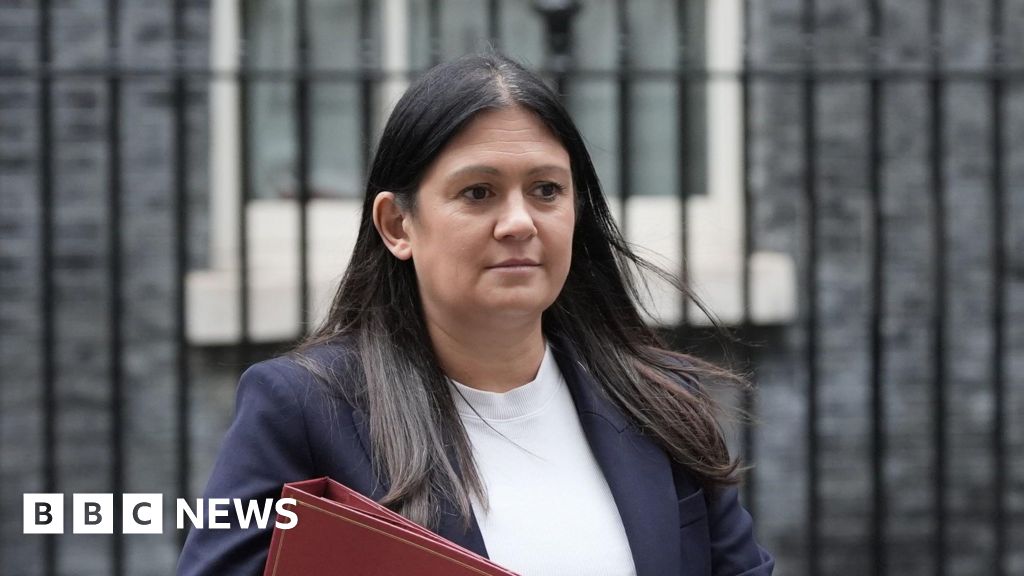

Culture Secretary Lisa Nandy has been found to have “unknowingly” breached public appointments rules when naming sports rights executive David Kogan as the government’s preferred chair of England’s new football watchdog.
Nandy announced Mr Kogan as her pick in April but subsequently stepped back from the appointment after discovering he had donated to her 2020 Labour leadership campaign. The donations totaled £2,900, made as two payments of £1,450 — one personally and one via his company — and formed part of wider contributions of £33,410 to Labour and party candidates in the five years before his appointment.
Sir William Shawcross, the commissioner for public appointments, concluded that the existence of those donations was capable of giving rise to a perceived conflict of interest and that the secretary of state should have checked for them before selecting Mr Kogan. He found that Nandy was “readily able to check” whether Mr Kogan had supported her campaign and should have taken any necessary consequential action to mitigate the perception of bias.
The commissioner’s inquiry was launched in June after Mr Kogan revealed during a parliamentary confirmation hearing in May that he had made contributions to both Nandy’s and Keir Starmer’s leadership campaigns. Sir William’s report notes the two donations to Nandy were below the declaration thresholds set by the Electoral Commission and by Parliament, but said the risk of perceived influence meant the financial interest should nonetheless have been declared.
In response, Nandy said she declared the donations “as soon as I discovered these donations existed” and apologised, saying the error was not deliberate. The prime minister replied that he accepted she had acted in good faith. Ministers’ opponents condemned the handling of the appointment: the Conservatives described it as a serious breach of public trust, and the shadow sport secretary said it raised questions about the prime minister’s and Nandy’s judgement.
Sir William also found that Nandy’s department breached the rules by failing to disclose Mr Kogan’s past donations when he was announced as the preferred candidate and by not discussing those donations during his interview for the role. The Cabinet Office and the department have said they will cooperate with the commissioner to learn lessons and improve guidance on handling conflicts of interest.
Mr Kogan was confirmed last month to a five-year term as chair of the Independent Football Regulator, running until May 2030. The regulator will have oversight of the men’s game in England’s top five divisions. Mr Kogan said he had cooperated fully with the investigation, maintained that his suitability for the role was never in question, and urged a focus on establishing the regulator to address urgent issues facing football.