
By Sam Drury, BBC Sport journalist
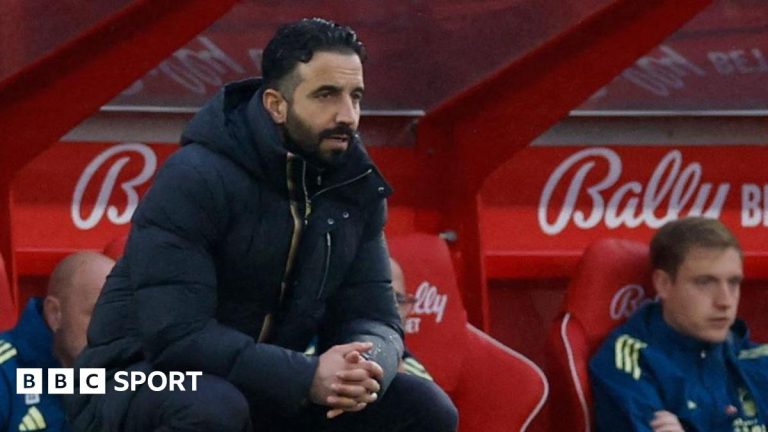
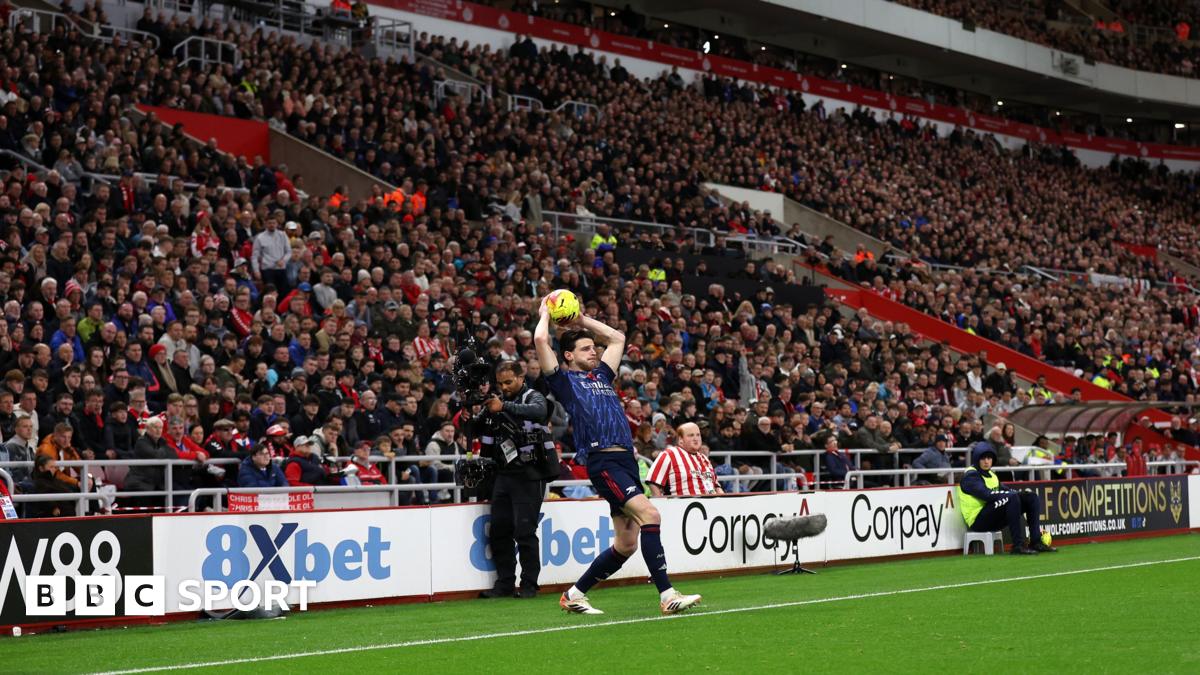
Sunderland earned a dramatic late point against Premier League leaders Arsenal when Brian Brobbey struck in the 94th minute. The equaliser and manager Mikel Arteta’s complaint about the “chaos” of Sunderland’s direct plan dominated the headlines, but one of the home side’s stranger ploys also attracted attention: they moved the advertising hoardings to reduce the space Arsenal had for long throw-in run-ups.
Sunderland boss Régis Le Bris joked that “it might have been the wind,” but the adjustment clearly disturbed Arsenal’s set-piece routine — Declan Rice still launched throws, yet the visitors failed to score from them and the match finished 1-1. It was not a new idea; the Black Cats had used the same trick in last season’s Championship play-offs against Coventry, and former long-throw specialist Rory Delap has long argued that teams go out of their way to blunt such threats.
Across football history, teams have taken inventive, sometimes bizarre approaches to gain an edge. A few notable examples:
Norwich’s pink away room
In 2018-19 Norwich painted their away dressing room a deep pink, believing the shade could calm opponents and even lower testosterone. The notion was influenced by the University of Iowa’s American football program and picked up by sport psychologists who note colour can trigger emotional or childhood associations. The club reverted to a white room before the next season — and were relegated — though that outcome was almost certainly unrelated.
Cambridge United’s marginal gains
John Beck’s Cambridge United side in the early 1990s were experts at squeezing small advantages. Former players recall measures such as giving visitors freezing showers, tweaking dressing-room temperatures, leaving warmed or heavy balls for warm-ups, sweetening tea to make it undrinkable, delaying access to facilities, and keeping corner grass slightly longer to help long-ball tactics. Those methods accompanied a remarkable rise from the old Fourth Division to the Second Division play-off places in three seasons.
The Crazy Gang’s intimidation
Wimbledon’s infamous “Crazy Gang” were masters of psychological warfare in the 1980s. Ahead of the 1988 FA Cup final, John Fashanu later claimed the players avoided showering or brushing their teeth to unsettle opponents with their smell. An early, ferocious tackle by Vinnie Jones set the tone in the match, which Wimbledon won 1-0 against Liverpool.
Altering pitch dimensions and conditions
In September 1987 Graeme Souness made Ibrox as narrow as the law permitted before a European tie with Dynamo Kyiv, hoping the reduced width would favour a more physical contest. Rangers won and the outcome fuelled later calls to standardise pitch sizes; clubs now must declare dimensions before a season. More recently, Jose Mourinho reportedly instructed ground staff in 2011 to let the grass grow slightly longer at the Bernabéu ahead of several Clasicos, an attempt to disrupt Barcelona’s quick passing. Arsène Wenger, too, has complained in the past about pitch grass length at Stoke, a club whose surface sometimes suited a particular playing style.
Other home comforts as gamesmanship
Even small things can be used as ploys. In April 2014 Steven Gerrard publicly accused West Ham of trying to “upset” Liverpool by forcing the visiting bus to park far from the ground, cranking up dressing-room heat and leaving the pitch unusually dry. West Ham’s chairman dismissed the bus claim, arguing teams could simply request changes if they objected.
From moving hoardings to manipulating dressing-room temperatures, football managers have tried almost anything to tilt the balance. Some tactics have prompted rule changes; many have become part of the sport’s folklore — reminders that in elite sport, marginal gains and mind games can feel every bit as important as tactics on the ball.