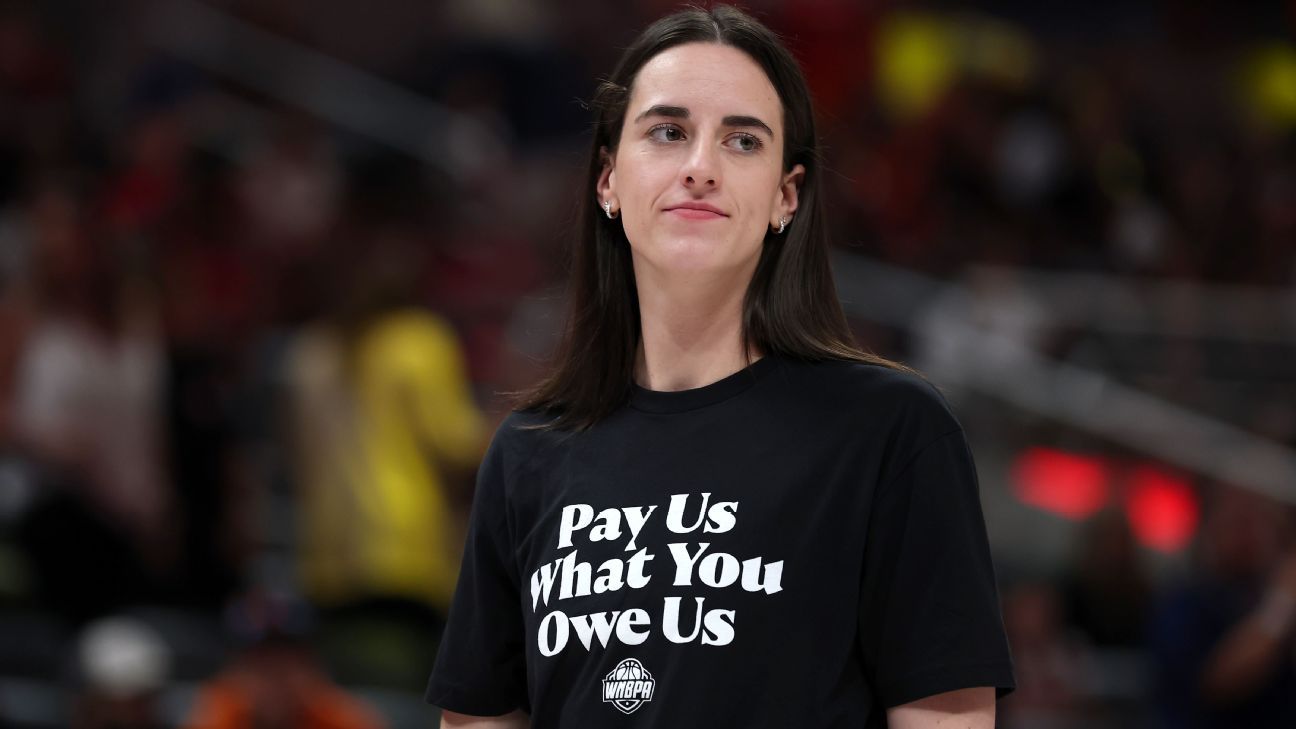

The 2025 WNBA All‑Star Game in Indianapolis became a labor moment: every All‑Star warmed up in a black T‑shirt reading “Pay Us What You Owe Us,” a public sign of frustration as the WNBPA and the league negotiate what both call a transformational collective bargaining agreement with a Nov. 30 deadline. The gesture highlighted broad solidarity among players even as their financial situations and career stakes vary widely.
Terri Jackson, WNBPA executive director since 2016, is leading the union side. She helped secure the 2020 CBA’s major advances—higher pay, improved free agency and stronger protections for mothers—and a dramatically improved new deal would be a defining legacy. Jackson’s challenge is to preserve unity across high‑profile stars and rank‑and‑file members with very different needs while keeping momentum in public negotiations.
How the next CBA lands will affect distinct groups differently:
Superstars with major endorsements
Examples include Caitlin Clark, A’ja Wilson, Sabrina Ionescu, Angel Reese and Paige Bueckers. These players have substantial off‑court income and can better weather a work stoppage. They also depend on WNBA exposure to sustain endorsement value, and some may accept lower WNBA pay to help teams assemble rosters under a cap. Changes to salary structure and free agency rules will influence how much they can or will trade salary for roster flexibility.
Role players
Players such as Kiah Stokes, Natisha Hiedeman and Lindsay Allen represent a mixed group: some supplement income overseas or in alternative leagues, while others rely mostly on WNBA pay. Meaningful increases to minimum salaries, more roster spots or better benefits would have direct, material impact on their security and career longevity. A lockout or strike would disproportionately hurt them.
Rookies and players on rookie contracts
New draftees like Kiki Iriafen, Aaliyah Edwards and Maddy Siegrist typically lack big endorsement deals, so any rise in the minimum salary is crucial. Past CBA raises have lifted rookie pay; industry talk suggests the minimum could jump substantially in this round, which would help recent picks. Young players also want to preserve future upside and avoid provisions that could limit later earning potential.
Veterans nearing retirement
Players such as DeWanna Bonner, Alysha Clark, Sami Whitcomb and Tina Charles prioritize retirement security. While the league offers a 401(k), many veterans press for a pension modeled on the NBA’s system—benefits tied to years of service and salary—to ensure long‑term support for players leaving the game.
Players on the roster bubble
Fringe players like Kiana Williams, Haley Jones and Elizabeth Kitley stand to gain from expansion and roster increases. Portland Fire and Toronto Tempo arriving in 2026 create at least 24 new spots; expanding roster sizes or adding an injured list would replace unstable hardship call‑ups with steadier opportunities for development and income.
International players
Athletes such as Gabby Williams, Emma Meesseman and Satou Sabally are sensitive to prioritization and reporting rules. Strict attendance or exclusivity requirements for training camp can conflict with national‑team commitments and overseas club obligations. Any new restrictions will force internationals to choose between club duties, national team play and other contracts.
WNBA executives with outside‑league investments
Executive‑committee members Napheesa Collier, Breanna Stewart and Nneka Ogwumike have stakes in new ventures—Unrivaled, Project B and similar projects. They argue these enterprises aren’t competitors, but success of alternative leagues could reduce top players’ dependence on the WNBA. If the CBA tightens prioritization or exclusivity, executives with outside affiliations may face conflicts balancing income streams.
Players with children
Parents such as Dearica Hamby and Skylar Diggins benefit directly from family‑focused provisions. The 2020 CBA added full salary during parental leave, childcare stipends, nursing accommodations and minimum housing for players with kids. Expanding family planning benefits and making them available earlier in careers is a high priority for parents and many others.
Star players without large endorsements
High‑paid WNBA stars like Kelsey Mitchell, Alyssa Thomas, Brionna Jones and Natasha Howard may lack substantial off‑court income, leaving less flexibility to accept lower league salaries. Core designation rules—which can restrict free agency by allowing teams to retain players—remain crucial to these players’ control over their careers; tweaks to core eligibility and related provisions will affect their mobility and negotiating leverage.
Prospective WNBA players
College standouts such as JuJu Watkins, Flau’jae Johnson, Sarah Strong and Lauren Betts are watching closely. The next CBA will shape rookie compensation, draft rules and eligibility standards, influencing when and whether top prospects enter the league and how attractive the WNBA looks as a career path.
Common levers in play
Across groups, the main bargaining points are salary floors and maximums, roster sizes and expansion, benefits (parental, health and retirement), prioritization and international availability rules, and the structure of free agency and core designations. How negotiators resolve those issues will determine whether the next CBA broadens opportunity and security for the broad base of players or primarily advantages specific subsets.
With a public show of unity and a deadline looming, each concession or gain will ripple differently through the player ranks. For some, the priority is immediate pay and roster stability; for others, it’s long‑term benefits, flexibility to pursue outside income, or protections that preserve national‑team and overseas opportunities. The next agreement will decide which needs get prioritized and how the league’s growth is shared among all who play it.